
How to Spot Hidden Roof Hail Damage After a Storm
Living in a coastal parish means we are no strangers to unpredictable weather. When intense thunderstorms roll through our area, they often bring heavy winds and hail that can wreak havoc on your home's exterior. While large, golf-ball-sized hail leaves obvious destruction in its wake, smaller hail can cause insidious, hidden damage that slowly degrades your roofing materials over time.
Many homeowners find themselves wondering how to identify this damage before it turns into a major leak. Unscrupulous "storm chasers"—out-of-town contractors who flood the area after a weather event—often prey on this uncertainty, making it hard to know who to trust. At HD Roofing and Construction, we believe that an informed homeowner is an empowered homeowner.
By learning what to look for and understanding the basics of storm damage, you can protect your investment and avoid the financial strain of denied insurance claims down the road. Let's walk through the subtle clues left behind by hail and how you can safely assess your home's condition.
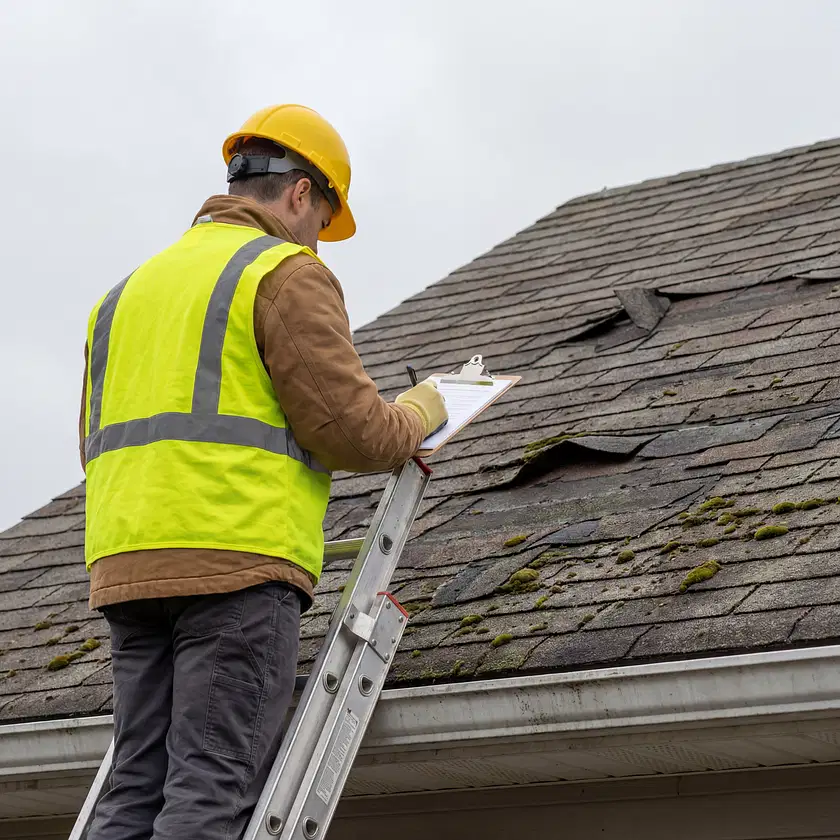
Recognizing the Signs of Roof Hail Damage on Asphalt Shingles
Asphalt shingles are incredibly popular due to their cost-effectiveness and durability, but they are not invincible against a heavy barrage of hail. The most common signs of roof hail damage on asphalt shingles aren't always visible to the untrained eye, especially from the ground.
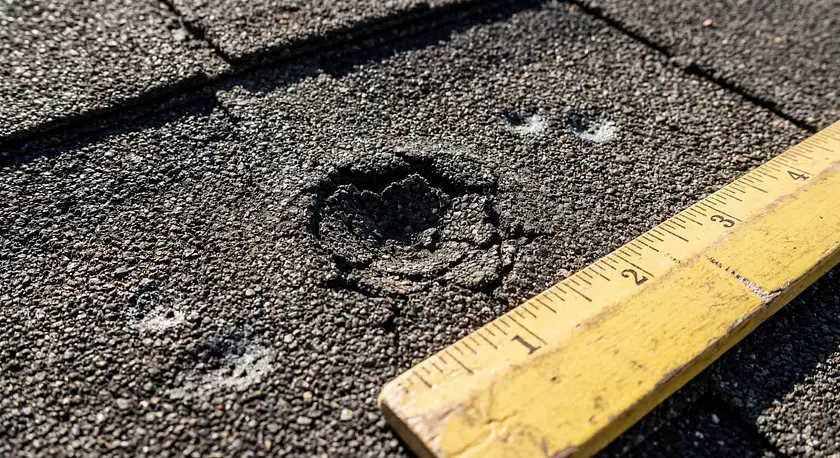
When a hailstone strikes a shingle, it often dislodges the protective granules embedded in the asphalt. These granules are essential because they protect the underlying materials from the sun's harsh UV rays. Without them, the shingle will quickly become brittle, crack, and eventually allow water to seep into your home.
If you are trying to figure out how to tell if shingles have hail damage, look for small, dark spots where the granules are missing. These spots often look like circular bruises. If you were to run your hand over them, they would feel soft or indented, much like a bruised apple. You might also notice a shiny appearance where the asphalt matting has been exposed to the elements.
Depending on the severity of these strikes, you may just need a targeted roof repair, or you might be looking at a full replacement. Knowing the difference early on can save you from a major headache during our heavy summer downpours.
Your At-Home Hail Damage Roof Inspection Checklist
Safety should always be your top priority. We never recommend that homeowners climb onto a wet or steep roof to check for damage. Fortunately, there are several indicators you can check safely from the ground. Use this simple hail damage roof inspection checklist to gauge whether you need to call in a professional roofing company for a closer look:
- Check your gutters and downspouts: High-impact hail will knock a significant amount of granules off your shingles. Check the splash blocks at the bottom of your downspouts for a heavy accumulation of what looks like coarse black sand.
- Inspect metal roof accessories: Hail will dent the soft metals on your roof long before it heavily damages asphalt. Look for dimples and dings on metal roof vents, flashing, fascia, and even your gutters.
- Look at your siding and window screens: Storms usually bring directional wind. If your siding is dented or your window screens are torn on one side of your house, there is a very high probability that the roof plane on that side sustained damage as well.
- Examine your outdoor air conditioning unit: The metal fins on your AC unit are highly sensitive to hail strikes. If they are mashed in, your roof likely took a beating too.
Today's roofing technology has advanced significantly. When we perform inspections, we utilize high-resolution drone technology to safely capture 3D aerial measurements and assess hidden damage without putting boots on the roof unnecessarily. This gives you a crystal-clear, honest view of your roof's condition.
Navigating Insurance and Upgrading Your Protection
One of the biggest concerns homeowners have after a storm is dealing with homeowners insurance. The claims process can be notoriously slow, and adjusting to the sudden need to fund upfront material costs can be stressful. This is exactly why partnering with a reputable, local contractor is so important. We help document the damage thoroughly and transparently, ensuring your insurance adjuster sees the exact same evidence we do.
If the damage is extensive enough to warrant a full replacement, you might want to consider how you can build back stronger. With the changing climate and stricter building codes, many homeowners are opting for fortified roofing. This specialized installation method goes beyond standard building codes to make your home highly resistant to severe winds and driving rain. As a little lagniappe, upgrading to a fortified system can often significantly lower your homeowners insurance premiums, helping offset the cost over time.
Don't Wait for the Next Storm
Hidden roof damage rarely stays hidden forever; it usually reveals itself as a costly interior leak during the next major rain event. Being proactive is the best way to protect your property and your wallet.
If you suspect your home took a hit during the last storm, don't leave it to chance. The team at HD Roofing and Construction is proud to serve the River Ridge area with honest assessments, high-quality materials, and exceptional craftsmanship. We believe in providing clear, detailed estimates without the high-pressure sales tactics.
Ready for peace of mind? Reach out to us today to schedule your comprehensive drone inspection through our contact us page, and let our local experts secure your home against whatever the weather brings next.