Navigating Roof Insurance Claims After a Storm
Living in South Louisiana means accepting that severe weather is just a part of life. When hurricane season rolls around, homeowners across Jefferson Parish know the drill: stock up on water, secure the patio furniture, and hope for the best. But even with the best preparation, intense winds and heavy rains can take a serious toll on your property. If you wake up the morning after a storm to find shingles in your yard or water spots on your ceiling, the stress can be overwhelming.
One of the most daunting parts of post-storm recovery is figuring out how to pay for the damage. Filing a roof insurance claim for hurricane damage often feels like a maze of paperwork, confusing terminology, and endless waiting. You might be wondering if your homeowners insurance will actually cover the costs, or if you will be left footing the bill for a massive repair.
Understanding how the claims process works, what adjusters are looking for, and how to protect your home in the immediate aftermath can make all the difference. By taking the right steps early on, you can streamline your claim, avoid common pitfalls, and get your home back to normal as quickly as possible.
Step 1: Stop the Leaks and Mitigate Further Damage
The moment the winds die down and it is safe to go outside, your first priority is protecting your home from further water intrusion. Insurance policies typically require homeowners to mitigate their damages, which means taking reasonable steps to prevent a bad situation from getting worse. If a leak is left unchecked and ruins your drywall or flooring, the insurance company might argue that the secondary damage is your fault for not acting quickly.
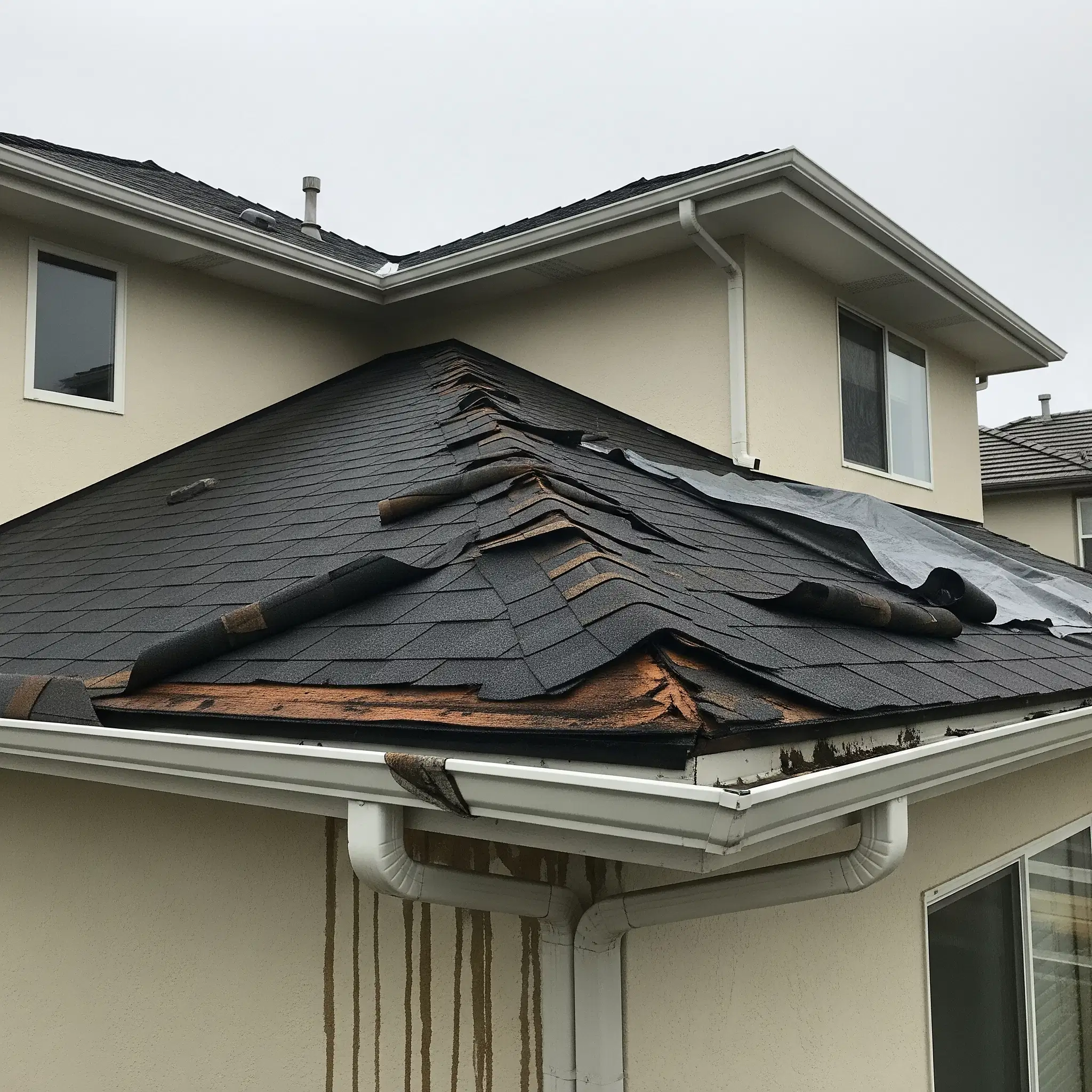
This is where prompt action is critical. Getting a professional out to secure the property with emergency tarping is the best way to seal the envelope of your home. The sight of a blue tarp is all too familiar in our area after a major weather event, but it is a necessary temporary measure. A properly installed tarp prevents rain from entering the home while you wait for adjusters to arrive and materials to be ordered, buying you valuable time in a chaotic post-storm environment.
Step 2: Documenting the Damage for Insurance Adjusters
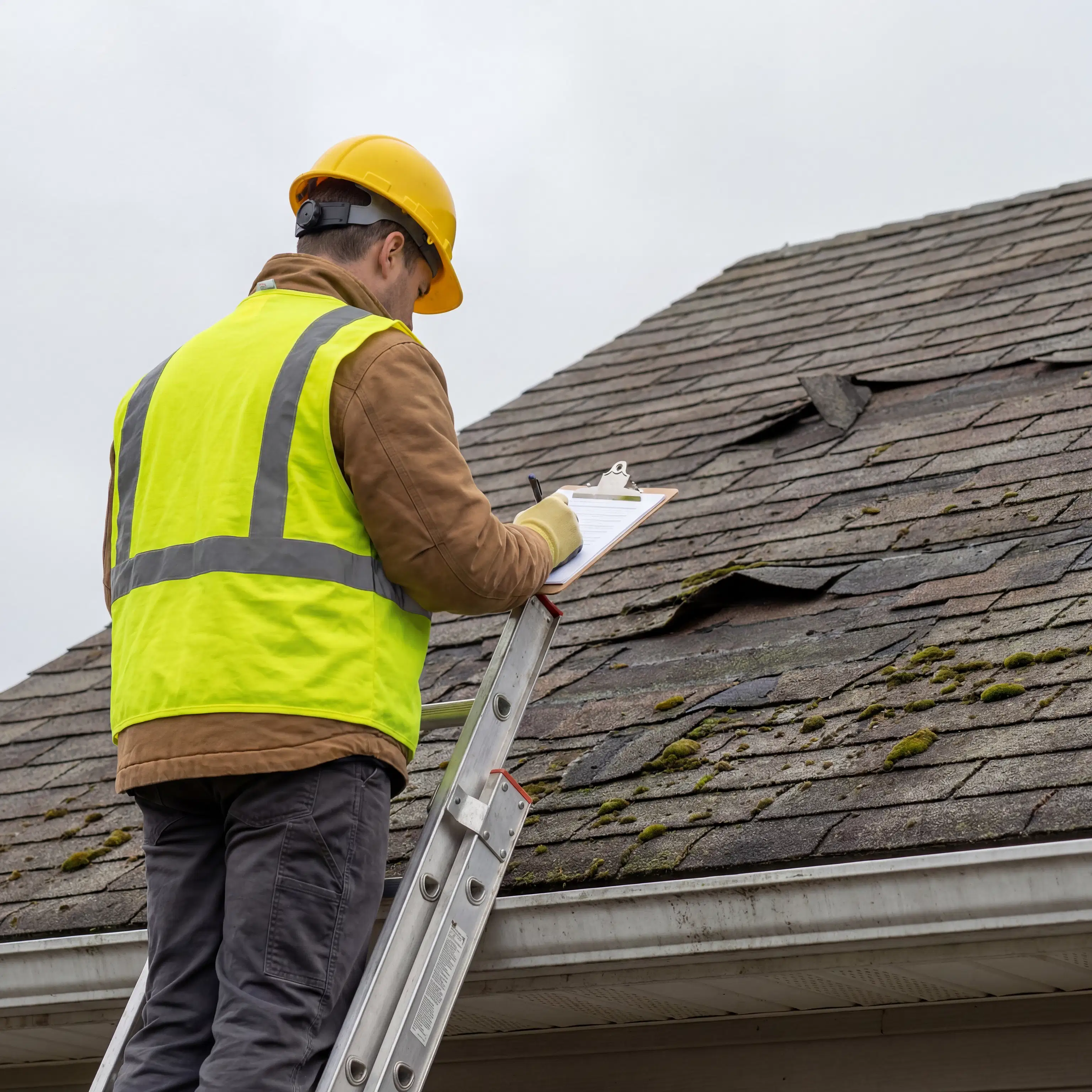
Before any permanent work begins, you need rock-solid proof of what happened. Thorough roof damage documentation for insurance adjusters is the cornerstone of a successful claim. While it might be tempting to climb up a ladder and take photos yourself, walking on a compromised roof is incredibly dangerous and can actually cause more damage to weakened materials.
Instead, rely on a professional assessment. Modern roofing technology has made this process safer and more accurate than ever. Using drone inspections and 3D roof mapping, professionals can capture detailed, high-resolution images of the entire roof system without stepping foot on a single shingle.
When reviewing the footage, experts know exactly how to spot wind damage on asphalt shingles. They look for specific signs like creased tabs where the wind has folded the shingle back, lifted sections that have lost their adhesive seal, or areas where the protective granules have been completely scoured away. Having this level of detailed, timestamped evidence makes it much harder for an insurance company to deny or underpay your claim.
Step 3: Filing Your Claim and Avoiding Scams
Once you have your documentation and temporary protection in place, it is time to officially file your claim. Contact your insurance agent as soon as possible to get the process started. They will assign an adjuster to evaluate your property and determine the payout based on your specific policy coverages and deductibles.
Unfortunately, the days following a major storm often bring out out-of-state storm chasers. These traveling crews knock on doors offering incredibly low prices or promising to waive your deductible—which is actually insurance fraud. They often do rushed, shoddy work and disappear back across state lines long before their cheap materials start to fail. If a warranty issue arises a year later, their phone numbers will be disconnected.
Working with local roofers on insurance claims is one of the smartest decisions you can make. A contractor with deep roots in the Parish understands the strict wind-resistance building codes required by local authorities. They are properly licensed by the Louisiana State Licensing Board for Contractors and carry the necessary insurance to protect you from liability. A local professional will gladly meet with your insurance adjuster on-site to ensure all the damage is properly noted and nothing is overlooked during the inspection.
Step 4: Choosing Between Repair and Replacement
After the adjuster provides their report, you will need to decide on the scope of the work. A common question homeowners ask is whether they should patch the damage or opt for a full replacement.
If your roof is relatively new and the damage is isolated to a small section, targeted roof repairs might be the most cost-effective solution. A skilled crew can match the existing materials and restore the integrity of that specific area.
However, if your roof is nearing the end of its lifespan, or if the wind damage is scattered across multiple slopes, a full replacement is usually the safer investment. When planning roof replacements, it is highly recommended to consider upgrading your materials. The intense heat, high humidity, and severe weather of the Gulf Coast demand durability.
Many homeowners are now choosing to upgrade to the FORTIFIED Roof standard. This specialized installation method uses enhanced nailing patterns, sealed roof decks, and high-wind-rated architectural shingles or metal roofing to dramatically increase a home's resistance to hurricane-force winds. Not only does this provide incredible peace of mind, but building to the FORTIFIED standard can also qualify you for significant discounts on your property insurance premiums moving forward.
Moving Forward with Confidence
Dealing with property damage is never easy, but you do not have to navigate the complex world of insurance claims alone. Having a knowledgeable, local advocate by your side ensures that your home is restored correctly, safely, and in full compliance with local building codes. From the initial emergency tarp to the final nail of a new installation, transparency and communication are key to a stress-free recovery.
If you are dealing with storm damage and need a team you can trust, HD Roofing and Construction is here to help. Whether you are on the East Bank or the West Bank, our experienced crew is ready to provide honest assessments, detailed documentation, and top-tier craftsmanship. Contact us today to schedule an inspection and let us help you protect your most valuable asset.