The Hidden Danger Above: How Damaged Gutters Cause Roof Leaks
When we think about protecting our homes from the heavy rains that roll through our Parish, we usually look straight up at our shingles. We worry about missing tabs, hail impacts, or wind damage. But often, the real culprit behind a sudden living room drip isn't a missing shingle at all—it's your gutters.
Here at HD Roofing and Construction in River Ridge, we see this scenario play out time and time again. Homeowners wonder how a relatively young roof could be leaking, only to discover that their exterior drainage system has been silently failing them. Understanding the vital connection between damaged gutters and a compromised roof can save you from unexpected, costly damage and help preserve the life of your home.
Roofing systems in Southern Louisiana have to withstand intense seasonal fluctuations, from blistering summer heat to relentless tropical downpours. During these heavy storms, your gutters are the first line of defense in moving thousands of gallons of water away from your property. When they fail, that water has to go somewhere, and unfortunately, it usually finds its way inside your home. Recognizing how this happens is the first step in protecting your investment.
How Clogged Gutters Cause Roof Leaks
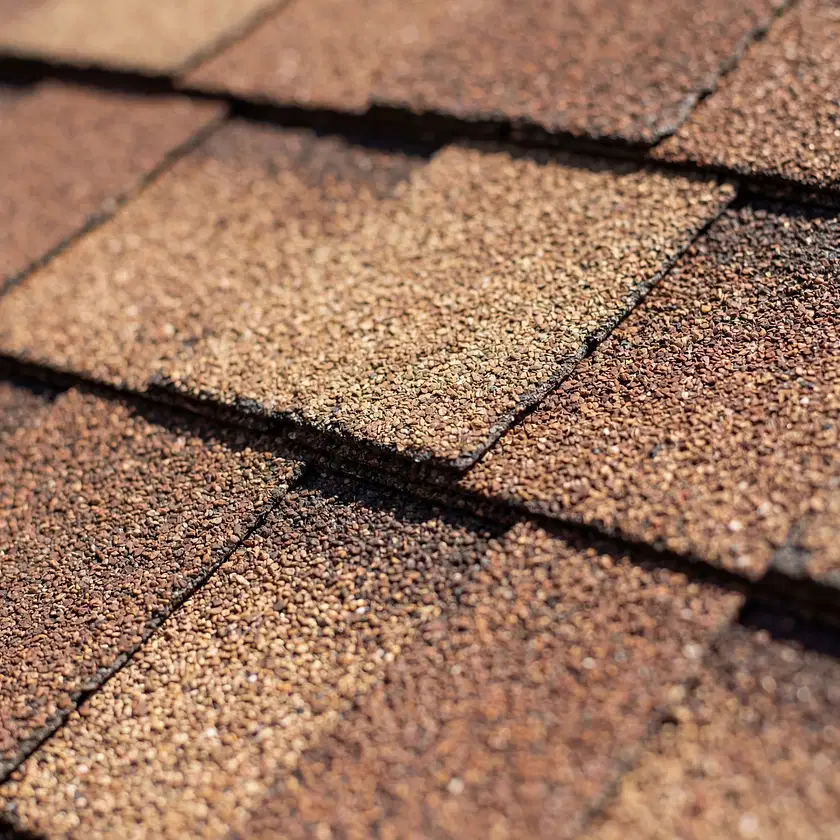
Gutters have one simple but vital job: to channel water away from your home's foundation and exterior walls. When leaves, twigs, pine needles, and roofing granules block that flow, the water has nowhere to go but up and over the edges. As water pools in a blocked channel, it begins to back up under the lowest edge of your roof.
This pooling water eventually seeps under the shingles and saturates the protective underlayment. Over time, the constant moisture penetrates the wooden roof decking and the fascia board—the long wooden board that your gutters are physically attached to. This relentless exposure to moisture is a perfect recipe for wood rot. Once the decking rots, water easily finds its way into your attic, soaking your insulation, and eventually leaving ugly brown stains on your living room ceilings.
Many homeowners ask us how to tell if a roof needs to be repaired or completely replaced. In the case of gutter-related water damage, catching the issue early often means we can perform targeted roof repairs to fix the damaged edge and replace the rotted decking. However, ignoring the problem for multiple seasons often leads to widespread moisture damage that compromises the structural integrity of the entire roof, turning a minor maintenance task into a major financial burden.
Signs Overflowing Gutters Are Damaging Roof Decking
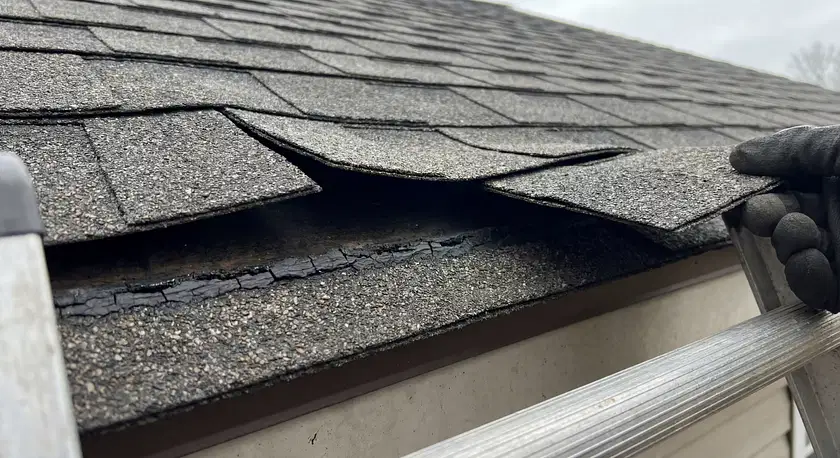
Because most of this damage happens out of sight—hidden behind metal channels and underneath overlapping shingles—it can be tricky to spot before it becomes a major headache. However, there are a few telltale signs overflowing gutters are damaging roof decking that every homeowner should watch out for.
First, look closely at your exterior trim. Peeling paint, bubbling siding, or rotting wood on your fascia and soffit are massive red flags. If the wood looks dark, feels spongy to the touch, or if the paint is flaking off in large chunks, water is almost certainly backing up from the gutters.
Second, keep an eye out for mysterious water stains on your exterior walls or indoor ceilings, particularly near the outer edges of the house. Water always follows the path of least resistance, and trailing moisture from a clogged gutter will eventually bleed through your drywall.
Finally, inspect the alignment of the gutters themselves. If you notice them sagging, pulling away from the house, or leaning outward, they are likely weighed down by heavy standing water and decomposing debris. This excess weight puts immense strain on your roof's edge, accelerating the separation of flashing and causing further leaks. Taking the time to observe these warning signs can prevent you from having to tap into your savings or navigate stressful insurance claims for extensive interior water damage.
Proper Installation and Long-Term Prevention
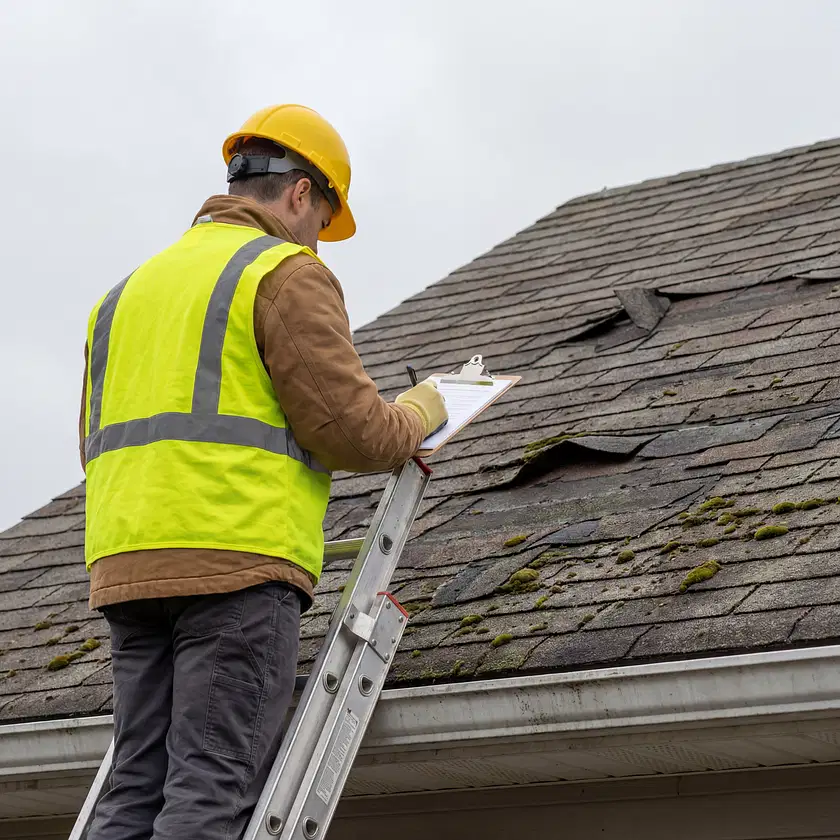
Preventing this kind of structural damage requires more than just scooping wet leaves out of your channels twice a year. It requires a cohesive, well-designed roof edge system. One of the most effective solutions your contractor can provide is a proper gutter apron installation to prevent roof rot.
A gutter apron is a specialized piece of metal flashing that is installed beneath the first row of shingles and directs water seamlessly into the gutter channel. It essentially bridges the gap between the roof and the drainage system, ensuring that wind-blown rain and pooling water cannot curl back under the shingles to soak the vulnerable fascia board.
If your current drainage system is constantly sagging, heavily rusted, improperly pitched, or completely undersized for the intense downpours we experience locally, simply cleaning them won't solve the underlying problem. In these cases, a complete gutter replacement is the best way to protect the long-term health of your roof and your home's foundation. Upgrading to seamless systems eliminates the joints and weak points where leaks commonly occur, providing a durable, long-lasting solution that beautifully complements your home's exterior.
Protect Your Home With HD Roofing and Construction
Your roof and your gutters are designed to work together as a single, unified system to protect your family, your belongings, and your property's value. When one component fails, the other is soon to follow. Don't wait for the middle of a major tropical storm to reveal the weak points in your home's exterior defense.
Whether you suspect water is currently backing up under your shingles, you've noticed wood rot along your roofline, or you simply know it is time to upgrade your old, failing drainage system, HD Roofing and Construction is here to help. We pride ourselves on providing comprehensive, drone-assisted inspections, transparent pricing, and top-tier craftsmanship for all our services, from minor repairs to full-scale exterior upgrades.
We love providing that little bit of lagniappe—going the extra mile to ensure your home is safe, secure, and ready to weather any storm. Geaux ahead and take the first step toward a safer, drier home today. Contact us to schedule a professional inspection and ensure your Crescent City home has the reliable protection it truly deserves.